Double Stroke Kolam
An auspicious, ritualistic technique of drawing with twin parallel lines, symbolizing prosperity and divine protection.
Irattai Kodu: Twin Parallel Strokes of Auspiciousness
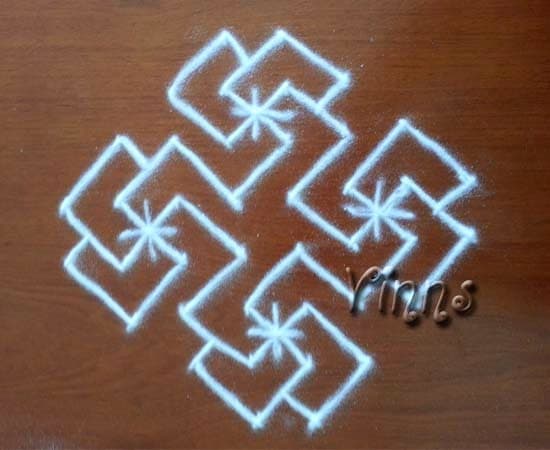
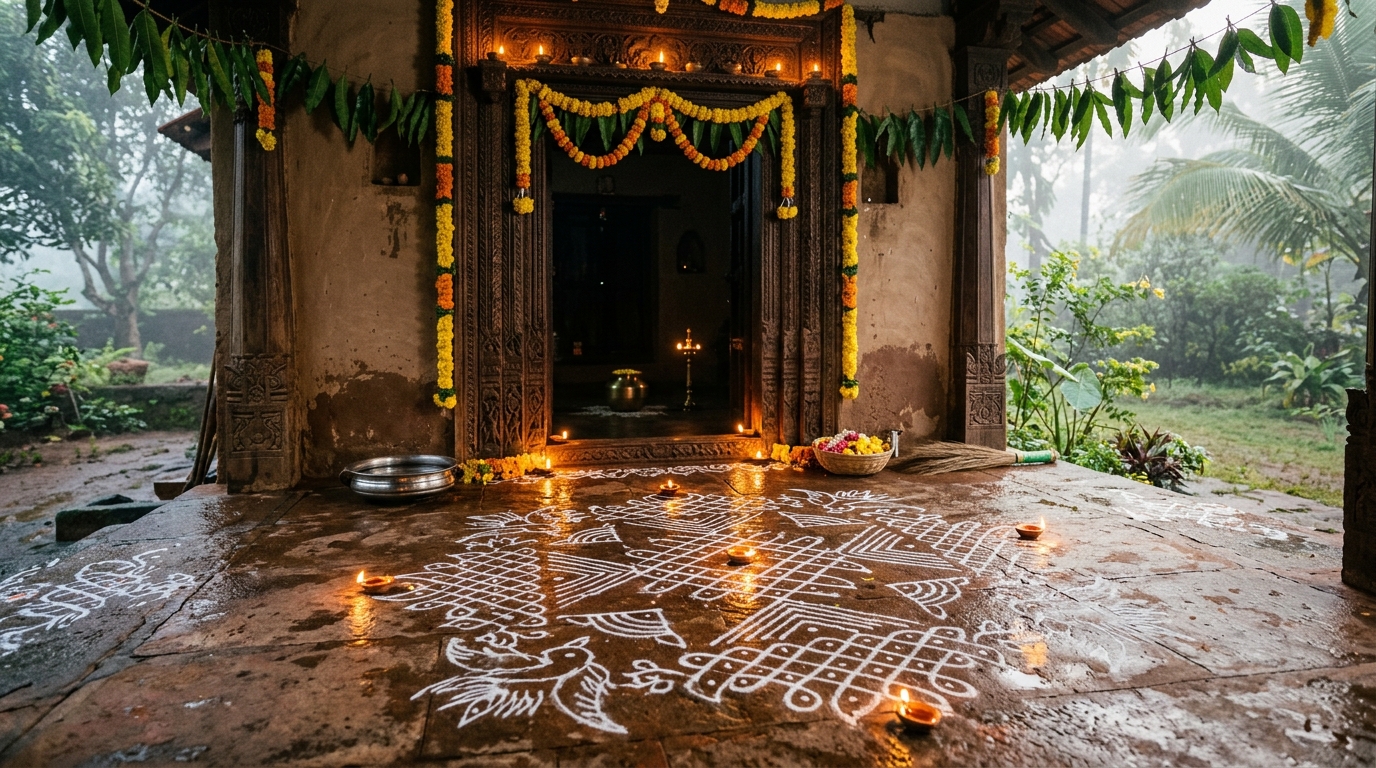
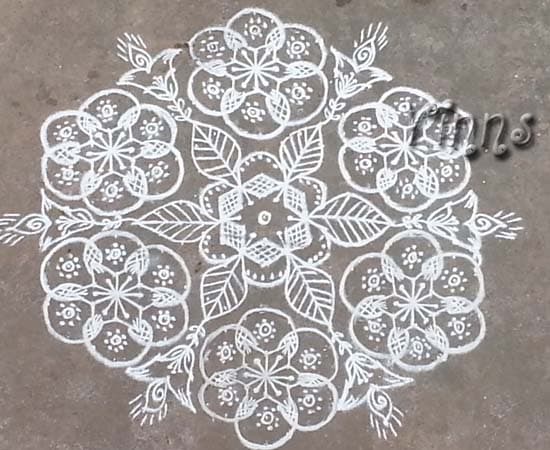
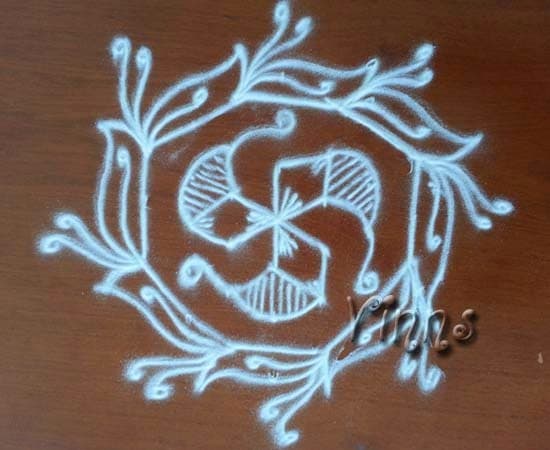
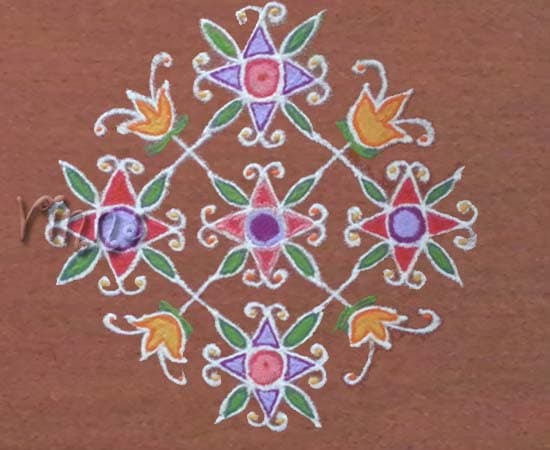
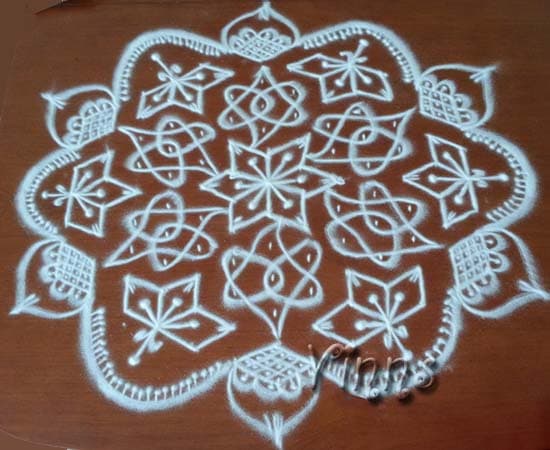
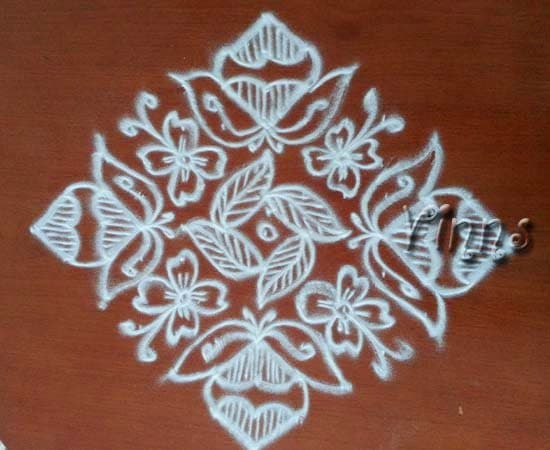
Double Stroke Kolam (known natively as Irattai Kodu Kolam) is a distinctive ceremonial technique wherein every contour, boundary, and motif is drawn using twin parallel white tracks. Rather than a singular line, the artist positions two fingers (usually the index and middle fingers) simultaneously to release two uniform, synchronous rivers of rice flour across the threshold.
The Symbolic Power of Duplication
In South Indian sacred iconography, duality represents complementary cosmic energies: Shiva and Shakti, Purusha and Prakriti, the inner sanctum and outer cosmos. Drawing double lines signifies a reinforced boundary of sanctuary, ensuring that auspiciousness (Mangalam) stays anchored within the dwelling.
Ceremonial Occasions & Festive Splendor
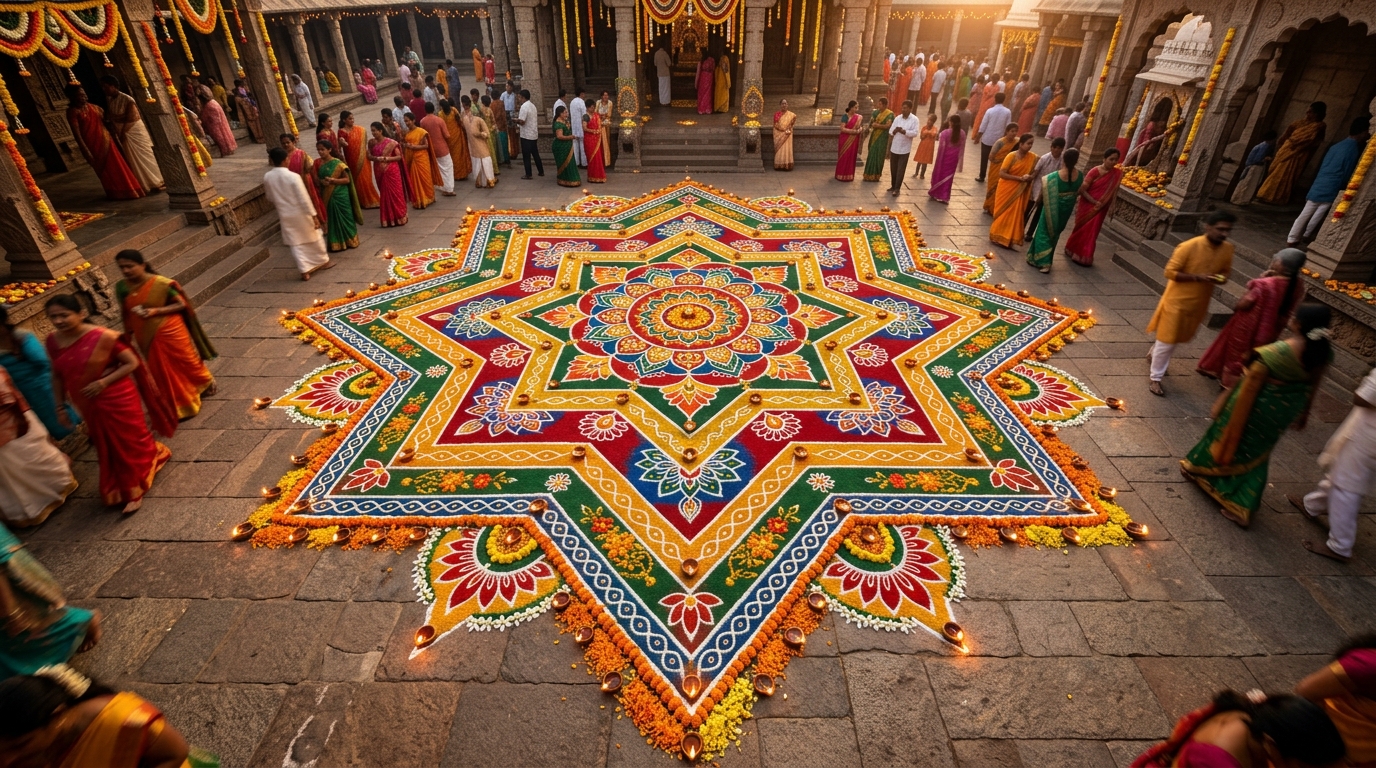
Double stroke techniques are especially prominent during festive celebrations such as Pongal, Deepavali, Varalakshmi Vratham, and wedding rituals. The space between the twin strokes is often left pristine or bordered with rich natural red ochre (Kavi) to create a striking contrast against white temple granite or cow-dung plastered courtyards.