The Margazhi Morning Dawn: Traditions, Thiruppavai, and Temple Festival Courtyard Kolams
Explore the vibrant month of Margazhi in Tamil tradition: dawn courtyard rituals, singing Andal's Thiruppavai, giant floral Rangolis, and the auspicious placement of pumpkin blossoms (Parangi poo).
The Splendor of the Tamil Month of Margazhi
In the Bhagavad Gita (Chapter 10, Verse 35), Lord Krishna declares:"Māsānāṁ mārga-śīrṣho ’ham" - "Of all the twelve months, I am Margazhi." Spanning from mid-December to mid-January, the sacred month of Margazhi is a time dedicated exclusively to spiritual devotion, classical Carnatic music, and the grandest floor art ever created in South India.
The Morning Courtyard Transformation
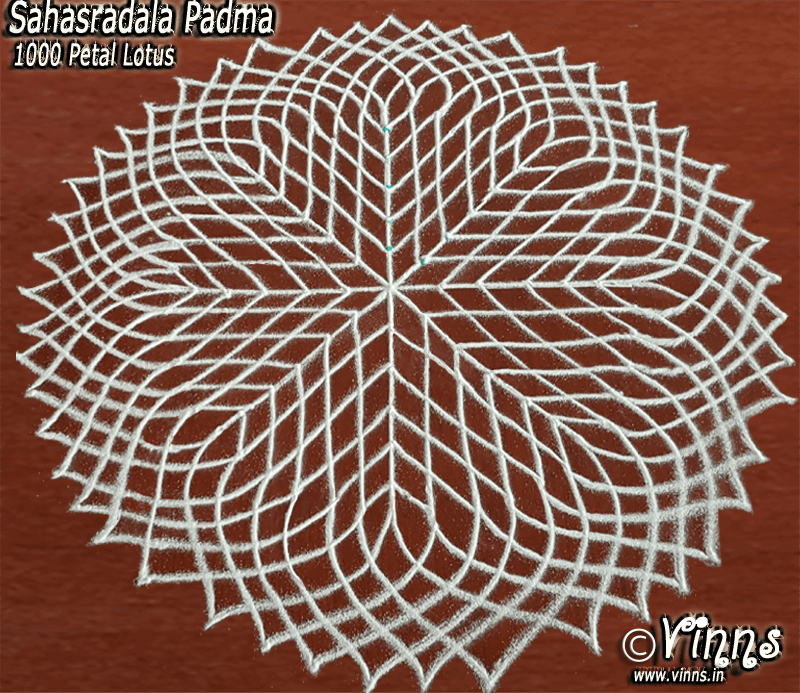
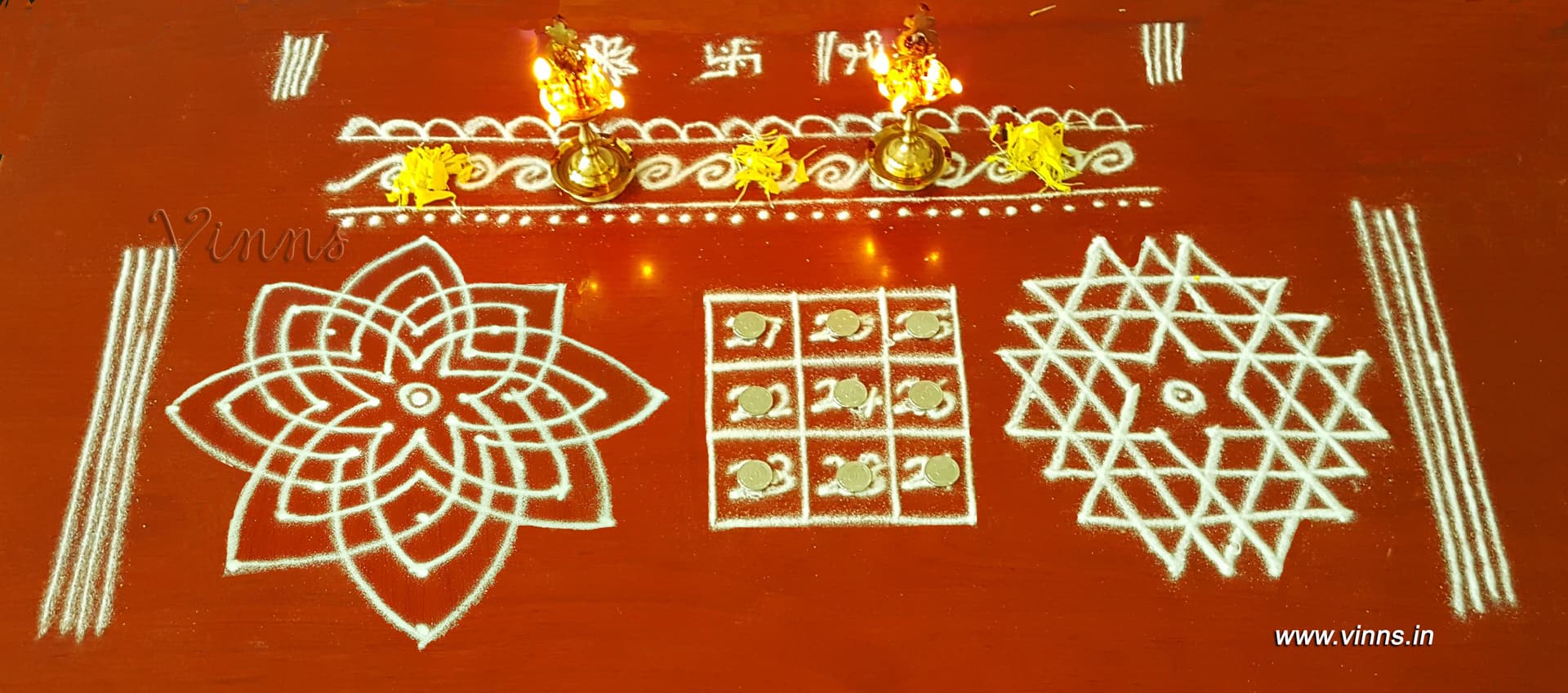
During Margazhi, the predawn chill does not deter practitioners; rather, it awakens their greatest artistic ambitions. The entire street in traditional towns like Mylapore, Madurai, and Srirangam transforms into an open-air art gallery. Women wake as early as 3:30 AM to sweep the entire width of the street before their homes, creating monumental Kolams spanning 15, 25, or even 50 dots across.
The Auspicious Parangi Poo (Yellow Pumpkin Blossom)
A distinctive and cherished signature of Margazhi Kolams is the placement of a freshly plucked bright yellow pumpkin blossom (Parangi Poo) in the exact center of the completed floor art, secured atop a small lump of fresh cow dung.
- Symbol of Abundance: The vibrant yellow blossom represents the fertile harvest season approaching in the upcoming month of Thai (Pongal).
- Hospitality to Wanderers: In ancient times, the golden pumpkin flower signaled to pilgrims, sadhus, and traveling musicians that this household welcomed guests with open arms and warm food.
- Natural Insect Attractant: The flower drew early morning honeybees and pollinators, supporting local biodiversity.
Singing the Thiruppavai While Drawing
Margazhi is intrinsically linked with the poetry of the female saint-poetAndal, who composed the 30 immortal verses of theThiruppavai. As women gather outside in the dewy dawn, their hands trace infinite loops while their voices softly recite Andal's verses, creating a harmonious synthesis of sound, movement, geometry, and devotion.
Mastering Festival-Scale Kolams: Step-by-Step Advice
Drawing a grand Margazhi Kolam requires methodical preparation:
- Chalk Drafts: For complex 25-dot designs, use a thin slate pencil or faint chalk line to mark your perimeter anchors before laying the powder.
- Working from Center Outward: Always execute the central motif first. Trying to draw from the perimeter inward almost always leads to crowding and asymmetric distortion.
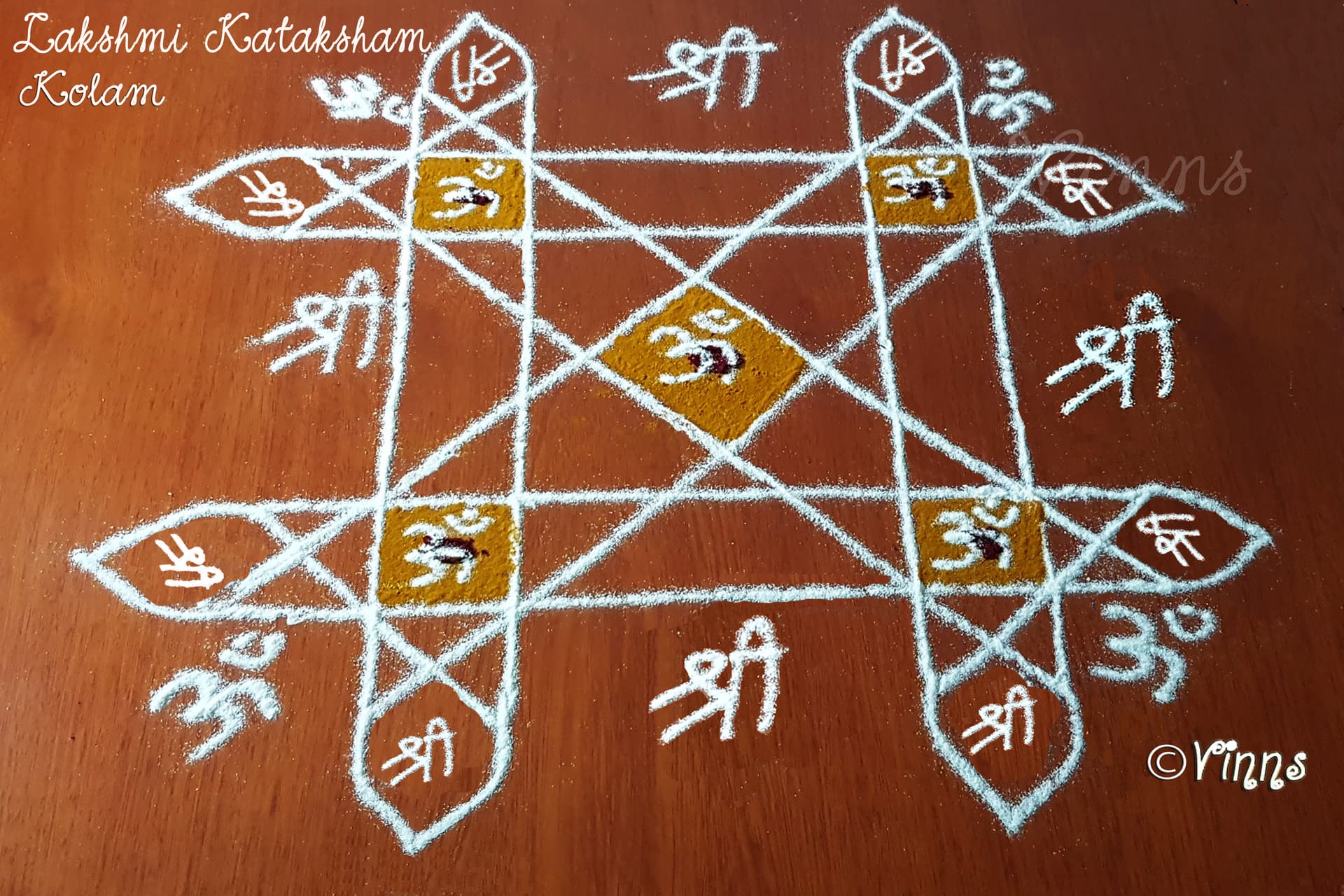
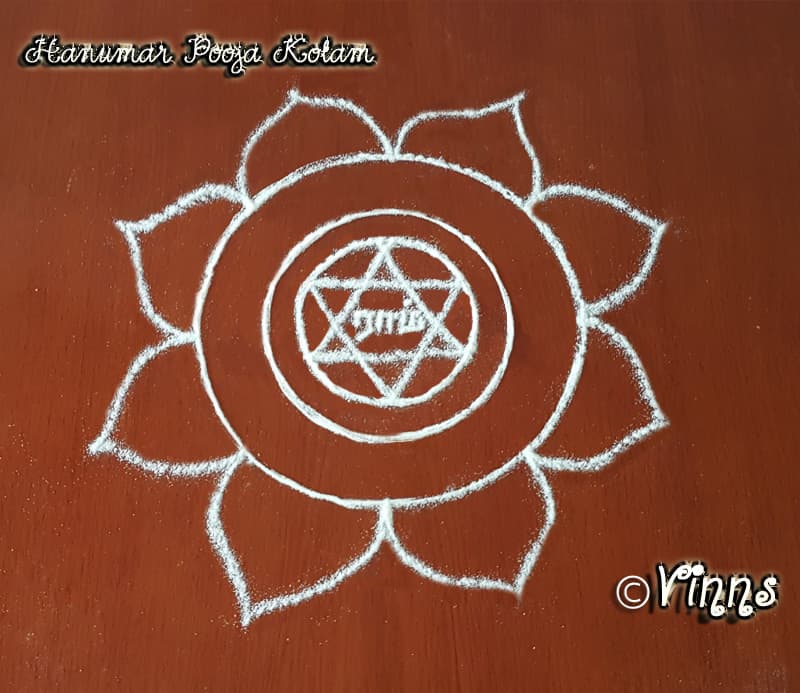
- Color Infilling: While traditional Kolams are white, festival Margazhi Rangolis often incorporate vibrant dry colored powders (Rangoli Podi) to fill flower petals, conches, and peacock feathers.
- Crimson Kaavi Sealing: Frame the gigantic street display with dual crimson borders of Semman to set the artwork apart from the road traffic.
Related Traditional Patterns
Similar geometries, symmetry types, and festive floor art styles