Why We Draw Kolams with Rice Flour: Philosophy, Ecology, and the Ancient Bhootha Yajna Ritual
Discover why traditional South Indian floor art is drawn at Brahma Muhurtham using raw rice powder: the ecological duty of Bhootha Yajna, feeding ants and birds, and invoking domestic harmony.
The Daily Dawn Awakening: Brahma Muhurtham
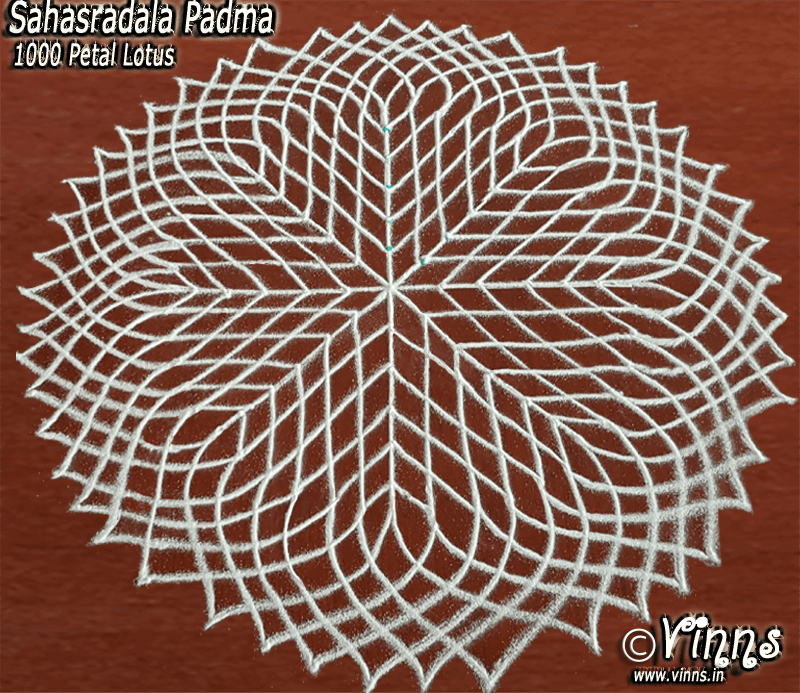
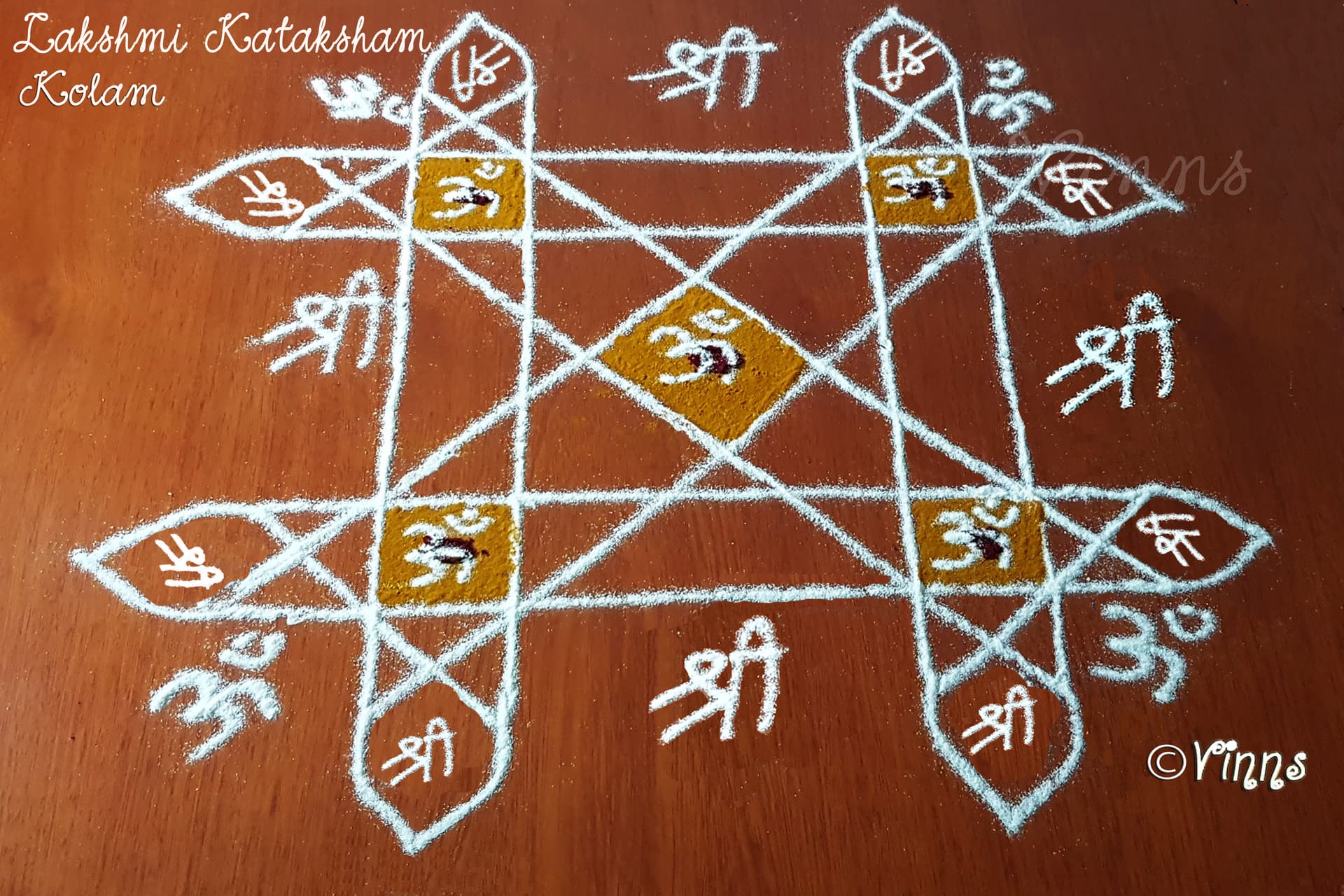
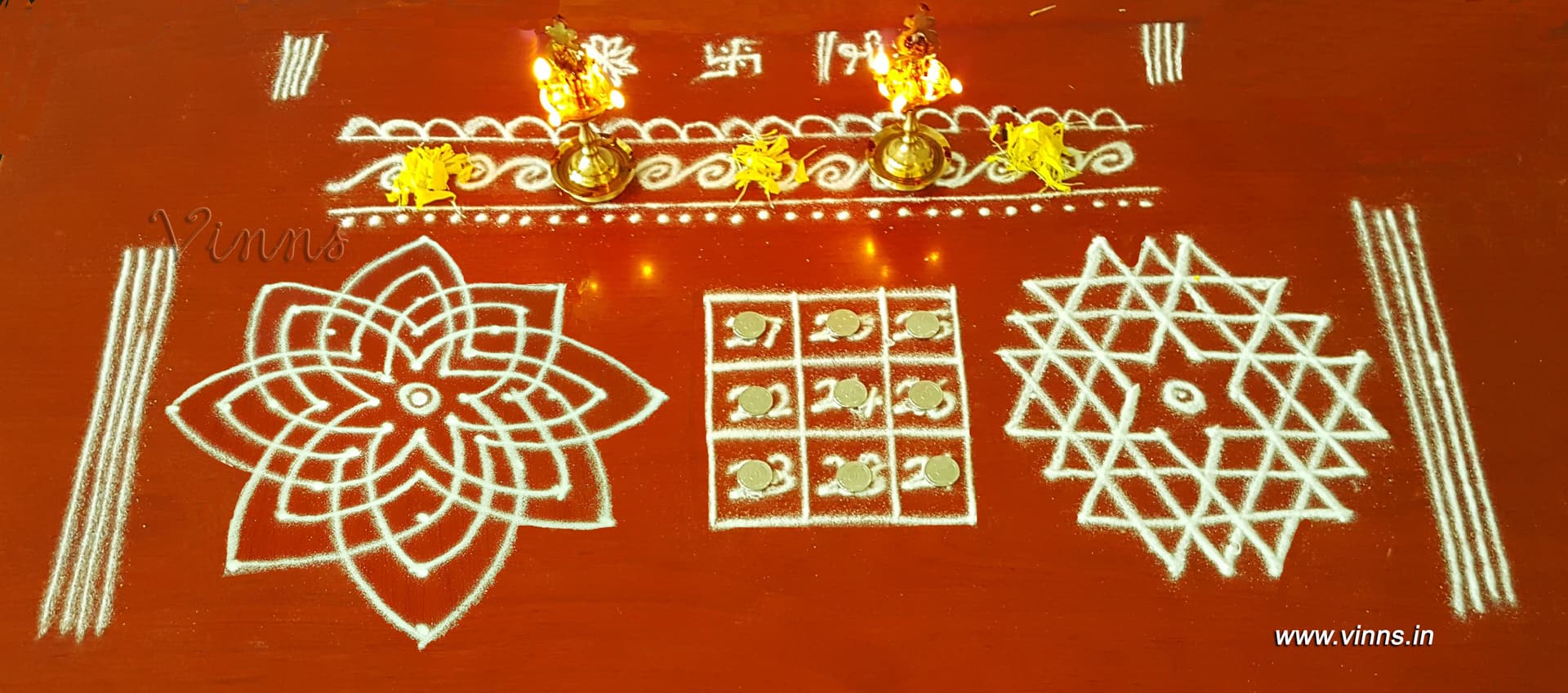
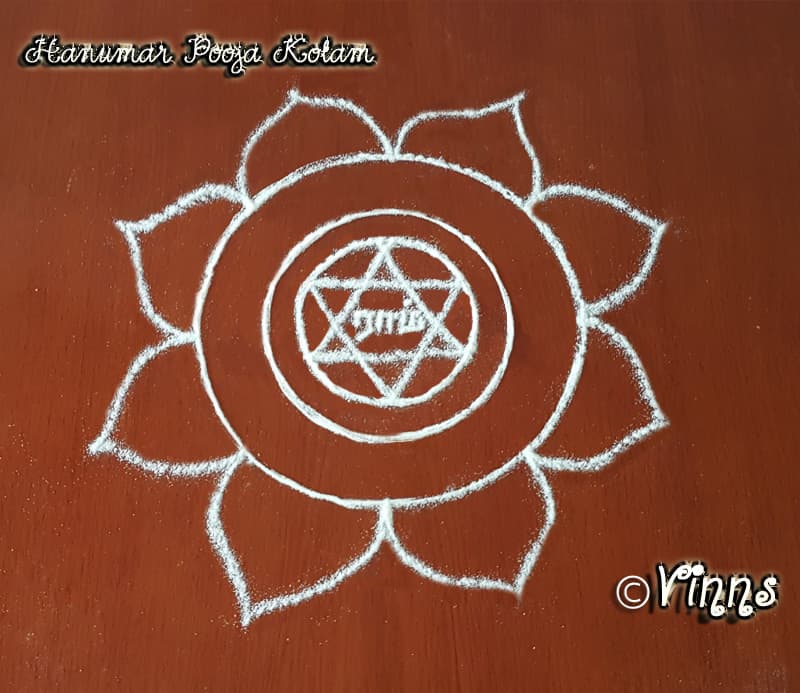
Long before the sun breaks over the horizon, between 4:00 AM and 6:00 AM - a sacred period known in Vedic tradition asBrahma Muhurtham - the quiet streets of South India come alive. The threshold of every home is swept, washed with cool water, and adorned with an intricate white geometric drawing. This daily practice is neither mere decoration nor an afterthought; it is an unbroken spiritual and ecological observance that connects the home to the cosmos.
Bhootha Yajna: The Sacred Offering to Tiny Lives
In Sanatana Dharma, a householder is expected to perform five daily great sacrifices (Pancha Maha Yajnas). Among these, the most compassionate isBhootha Yajna - reverence and nourishment offered to non-human living beings.
When a Kolam is drawn with freshly ground, coarse raw rice flour (Arisi Maavu), it serves an immediate ecological purpose:
- Nourishing Ants & Insects: Ants, beetles, and small crawling creatures feed on the rice granules at the threshold, preventing them from entering the inner kitchen in search of food.
- Feeding Birds & Squirrels: Sparrows, pigeons, and squirrels visit the morning doorstep to peck at the freshly laid floor art, beginning their day with nourishment.
- The Virtue of Universal Charity: Even before the family eats breakfast or begins the day's commercial labors, the first act of the household is an act of selfless charity (*Annadhana*) to the humblest beings on Earth.
The Tragedy of Modern Chemical Powders
In recent decades, urbanization and mass commercialization have introduced powdered limestone, marble dust, synthetic dyes, and plastic sticker kolams. While these modern alternatives may resist the wind or appear starkly white, they strip the tradition of its sacred soul. Synthetic stone powder offers zero nutritional value to insects and can harm small creatures that attempt to ingest it.At Vinns Kolam, we passionately champion the return to authentic raw rice flour - restoring the gentle ecological harmony envisioned by our ancestors.
Physical, Mental, and Spiritual Health Benefits
The daily physical act of drawing a Kolam confers profound physiological benefits:
- Spine & Core Flexibility: Squatting and bending during the drawing process engages the core, stretches the hamstrings, and massages abdominal organs - mirroring yogic postures likeMalasana andUttanasana.
- Bilateral Brain Stimulation: Coordinating two-handed mirror symmetry activates both the logical left hemisphere and the creative right hemisphere of the brain.
- Mindfulness and Stress Relief: Focusing the gaze on dots while regulating powder release serves as active meditation (Dharana), steadying breath and calming anxiety before the day begins.
A Daily Welcome to Mahalakshmi
The entrance threshold (Vasal Padi) is revered as the seat of Goddess Mahalakshmi, the embodiment of auspiciousness, grace, and abundance. By gracing this threshold every morning with rice flour and red ochre, South Indian households reaffirm their commitment to beauty, generosity, and peace.
Related Traditional Patterns
Similar geometries, symmetry types, and festive floor art styles